Why a Wedding Album
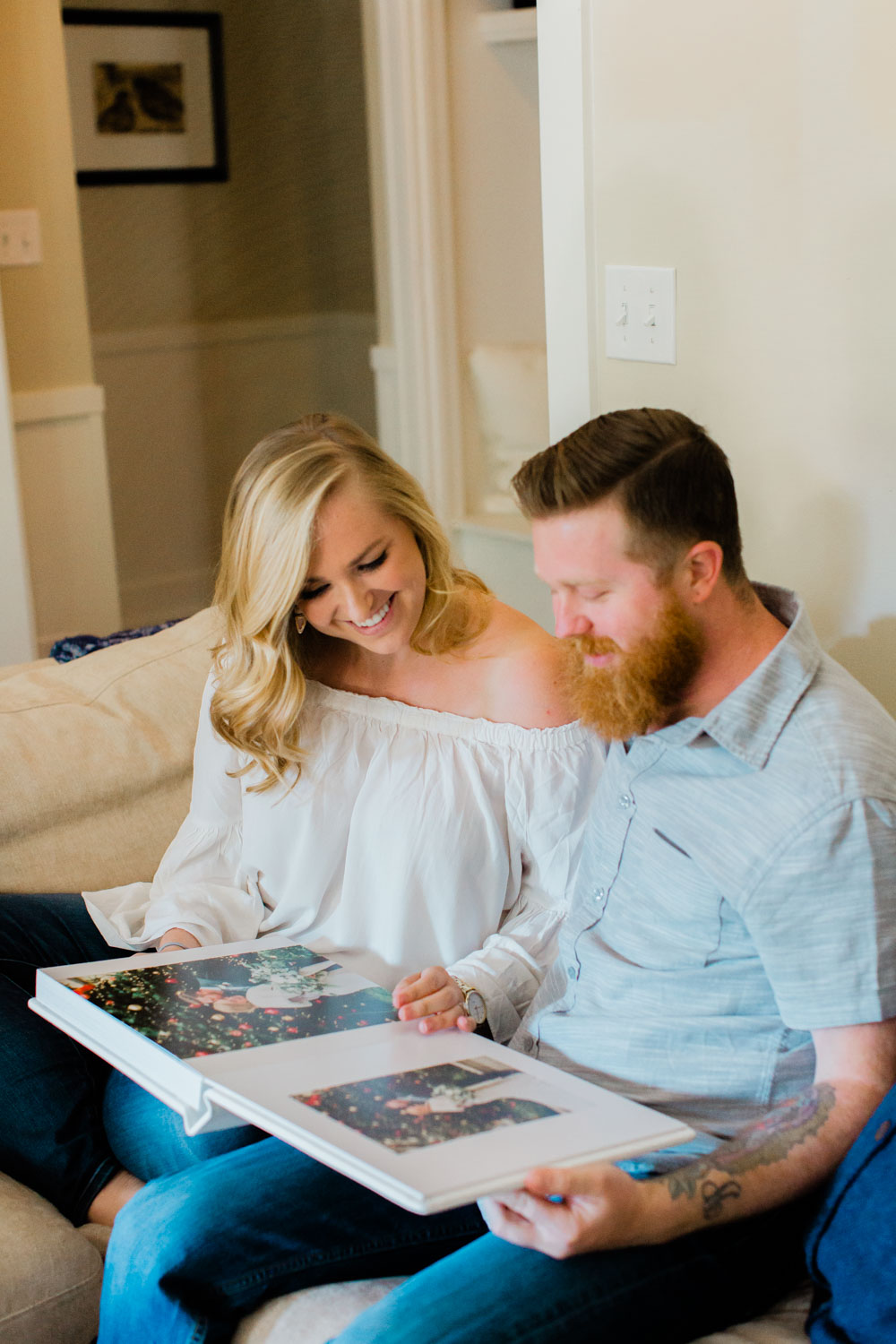
A few years ago, we celebrated my grandparents’ 60th wedding anniversary. At one point during the evening, my grandmother brought out their wedding album and we sat together turning the pages.
Their album holds only twenty photographs.
But each one carried a story.
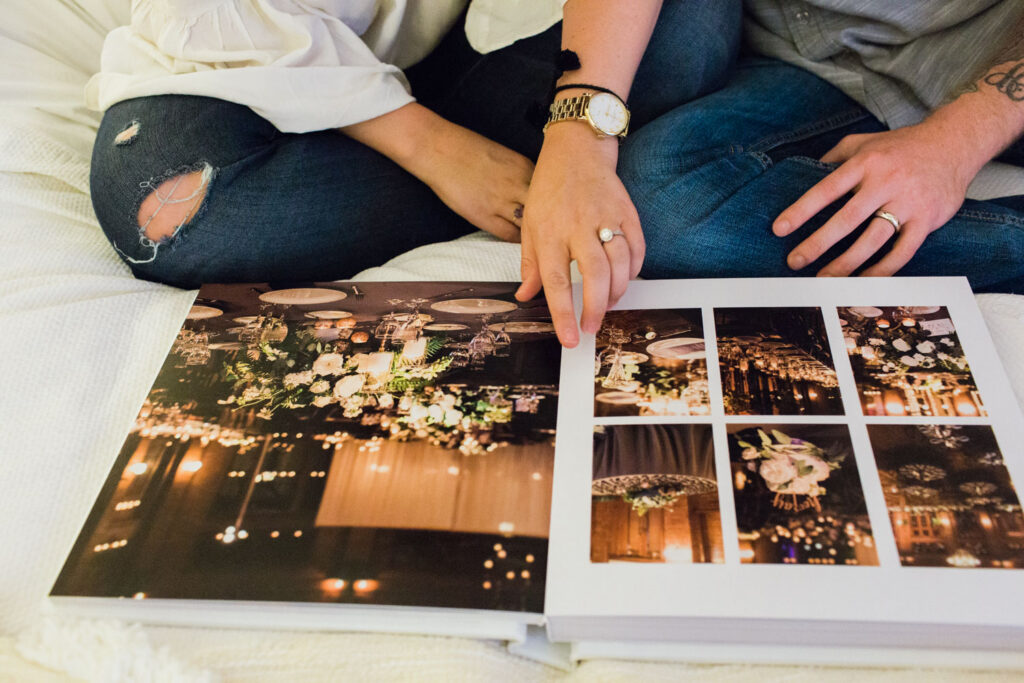
She told me that she had the measles on the morning of the wedding and needed permission from the doctor before she could go to the church. Her bouquet was made of daisies, her favorite flower, I learned. My grandfather wore a light gray tuxedo and looked impossibly handsome. In one photograph they’re laughing together as they cut their cake. In another they’re kissing in the back of the car that carried them away at the end of the night.
The album itself is simple. Small. Unassuming.
And yet as we turned each page, the photographs unlocked memories that had lived quietly inside her for decades.
That evening stayed with me.
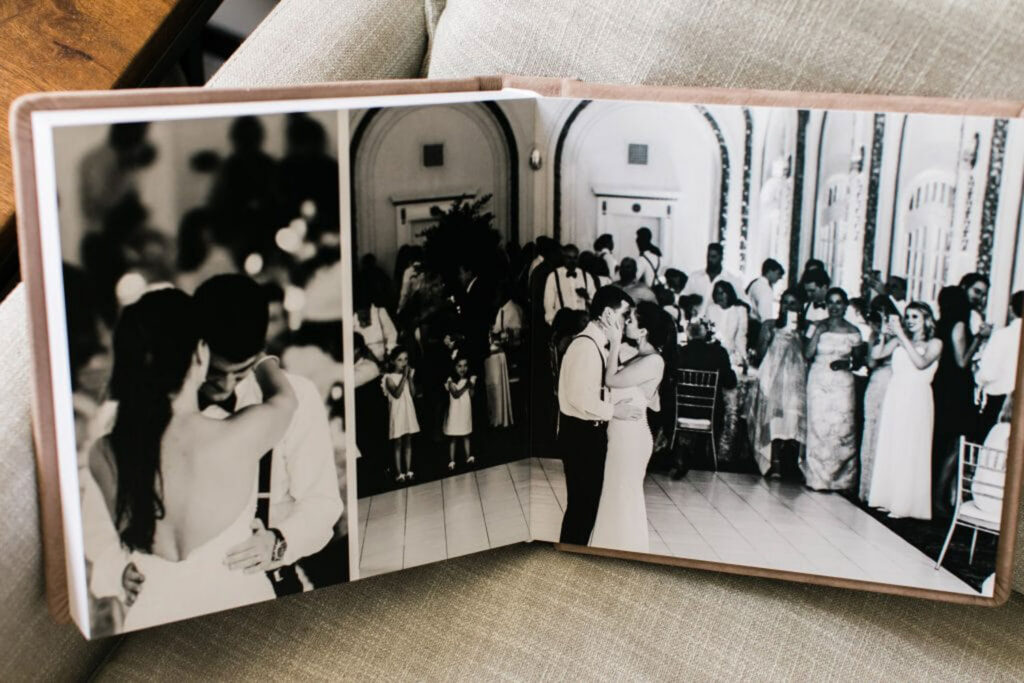
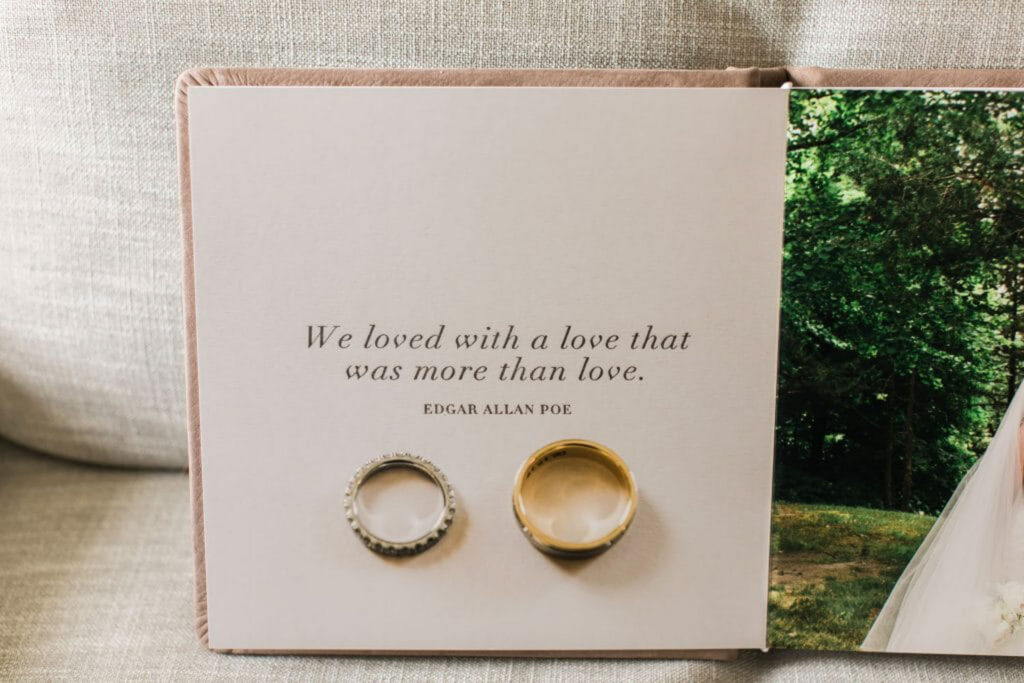
Photographs are often viewed quickly now. A swipe across a phone, a moment on a screen. They are shared, liked, and then absorbed into the constant rhythm of images that surrounds us.
But some photographs deserve a slower place to live.
A wedding album gathers the moments of a day and holds them together in a way that digital galleries cannot. It gives the story a beginning, a middle, and an end. It invites you to sit beside someone you love and return to the day again, page by page.
Over time the album becomes something more than a record of a wedding. It becomes a small piece of family history. Something pulled from a shelf on ordinary afternoons, something children and grandchildren will someday hold in their hands.
My grandparents married in 1956. I don’t know what they paid for their album, but nearly seventy years later it remains exactly where it has always been — quietly preserving the beginning of their life together.
That is the quiet power of a wedding album.
Not simply to remember a day.
But to keep a story alive.