

How I Approach Wedding Photography Timelines
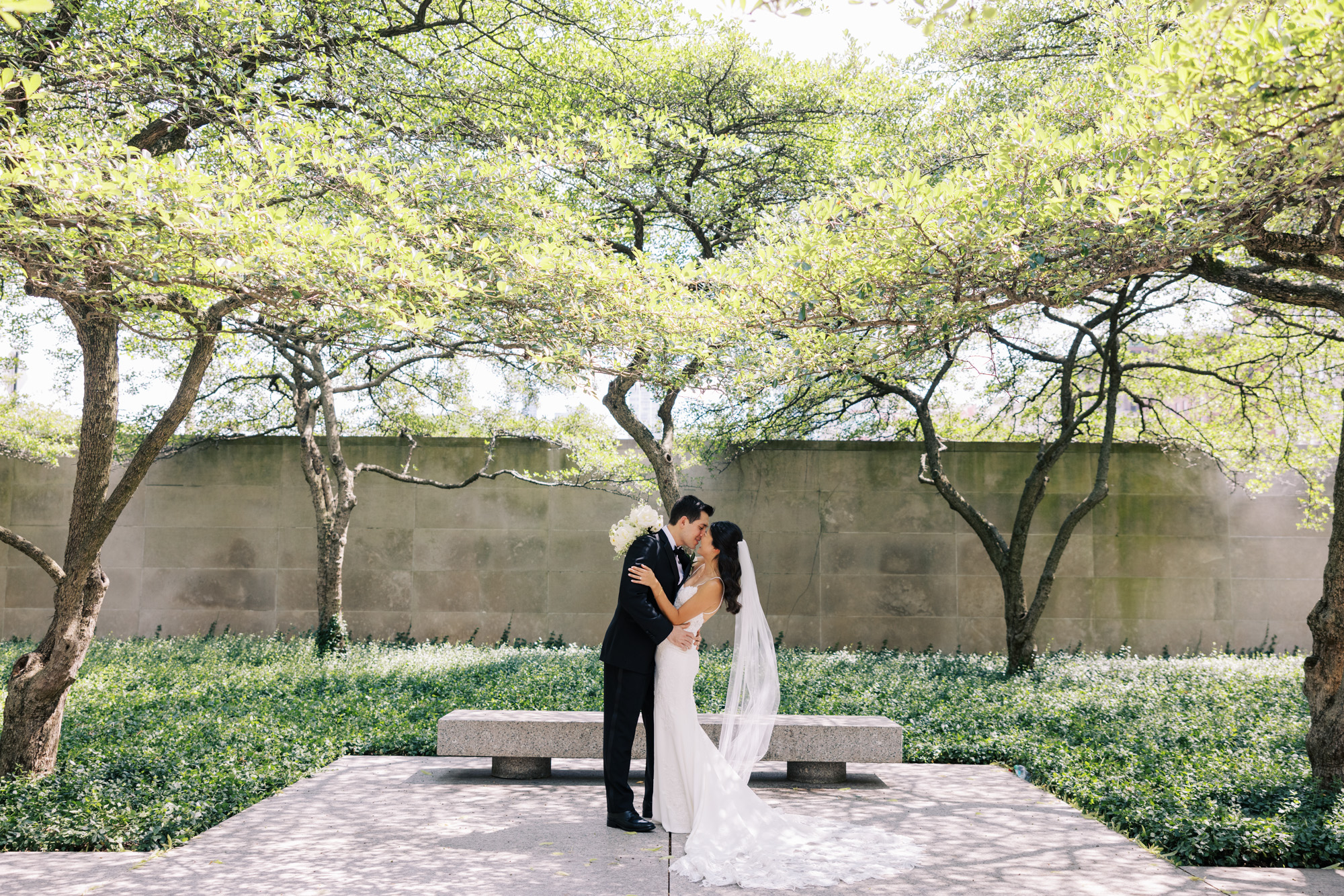
There’s a big difference between a wedding timeline that works on paper and one that actually feels good to live through.
From my perspective as a photographer, the best timelines aren’t the ones that are packed efficiently or planned down to the minute. They’re the ones that feel calm. The ones that give you space to be present, to spend time with the people around you, and to actually experience your day as it’s happening.
And that matters more than people realize—because the way your day feels is exactly what shows up in your photos.
When a timeline is rushed, you can feel it. Everything starts to feel like we’re moving from one thing to the next, trying to keep up. But when there’s space, when there’s breathing room, when you’re not watching the clock… that’s when the moments you actually care about start to unfold naturally.
This isn’t meant to replace the role of a planner or dictate exactly how your day should look. Every wedding is different, and timelines are always a collaboration. But after photographing weddings for many years, there are certain patterns I’ve seen again and again (You can see more of how I approach wedding photography here). What tends to work, what tends to create stress, and what ultimately allows me to do my best work for my clients.
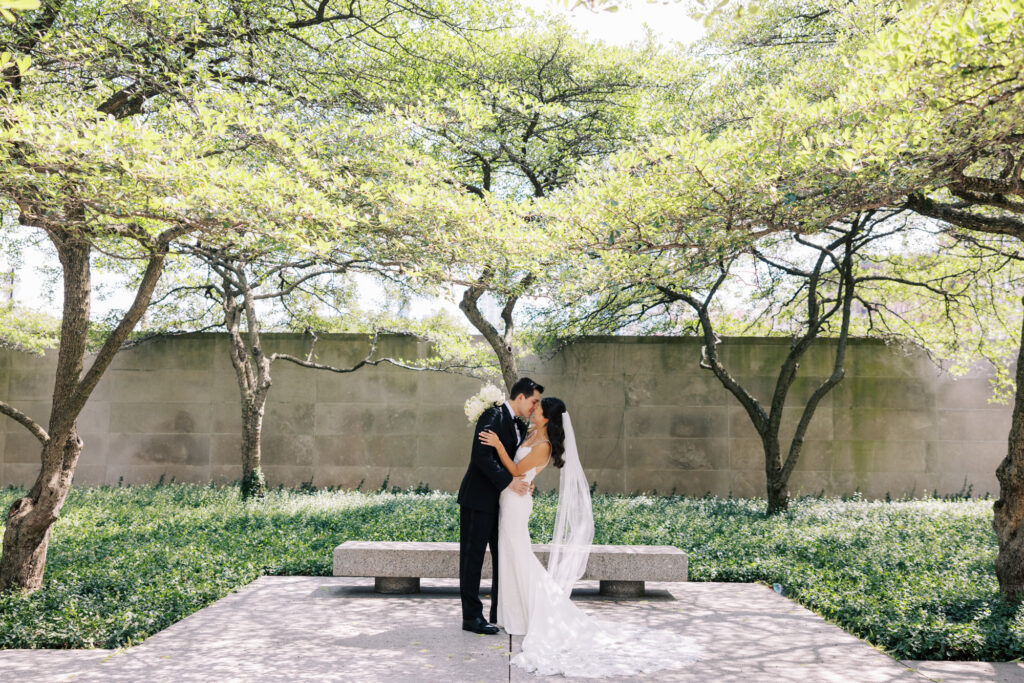
The Biggest Mistake I See
One of the most common mistakes I see is simply underestimating how long things take.
It usually comes from a good place—wanting to keep things simple, not overcomplicate the day, not spend too much time on photos. But what often happens is everything gets compressed down to the bare minimum, and the energy of the day starts to feel a little frantic.
Getting ready is a perfect example. It’s often treated like something that only needs a small window of time, when in reality, it’s one of the most important parts of the day for me to document.
This is usually the first time I’m meeting your parents, your siblings, your closest friends. It’s where I start building trust with the people I’ll be photographing all day. It’s where everyone begins to settle in, where the energy of the day starts to take shape.
When there’s time for that to happen naturally, everything that follows feels easier. People are more relaxed. You’re more present. And the photos reflect that.
When there isn’t that time, it can feel like we’re jumping straight into the day without ever really arriving in it.
The Timeline Isn’t a Checklist
Another thing that can quietly shift the feeling of the day is when the timeline starts to revolve around checking things off a list.
This shows up most often with family photos.
Of course, family portraits are important. They matter. And we always make sure to capture the people who mean the most to you—parents, siblings, grandparents, close family.
But when the list starts to grow into 40 or 50 very specific combinations, it can quickly turn into something that feels more like a production than a moment.
Bride with Aunt Sally.
Bride and groom with Aunt Sally.
Bride with mom and Aunt Sally.
Bride with sisters and Aunt Sally.
And before you know it, you’ve spent a large portion of your day trying to photograph every possible combination of people, instead of actually spending time with them.
I’ve found that keeping this part of the day simple tends to feel the most meaningful. It allows us to move efficiently, but more importantly, it allows you to stay present and connected instead of feeling pulled in a dozen different directions.
Structure vs Space
A good timeline needs both structure and flexibility.
There should absolutely be a plan in place. That structure is what keeps the day flowing and ensures everything happens when it needs to.
But within that structure, there also needs to be space.
Weddings are not static events. They’re full of people, movement, emotion, and things that don’t always happen exactly on schedule. Hair and makeup might run a little late. Transportation might take longer than expected. You might want a few extra minutes with someone you haven’t seen in years.
When a timeline is planned too tightly, there’s no room for any of that. And that’s when things start to feel rushed.
When there’s space built in, everything has room to breathe. And that’s when the day starts to feel like something you’re actually experiencing, not just moving through.
Getting Ready
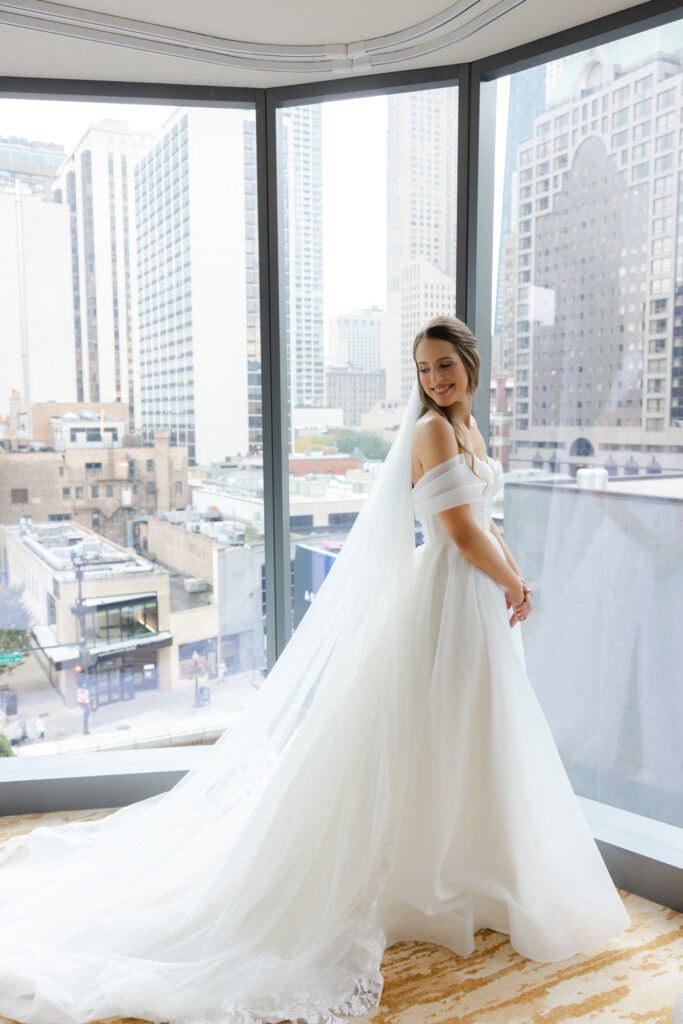
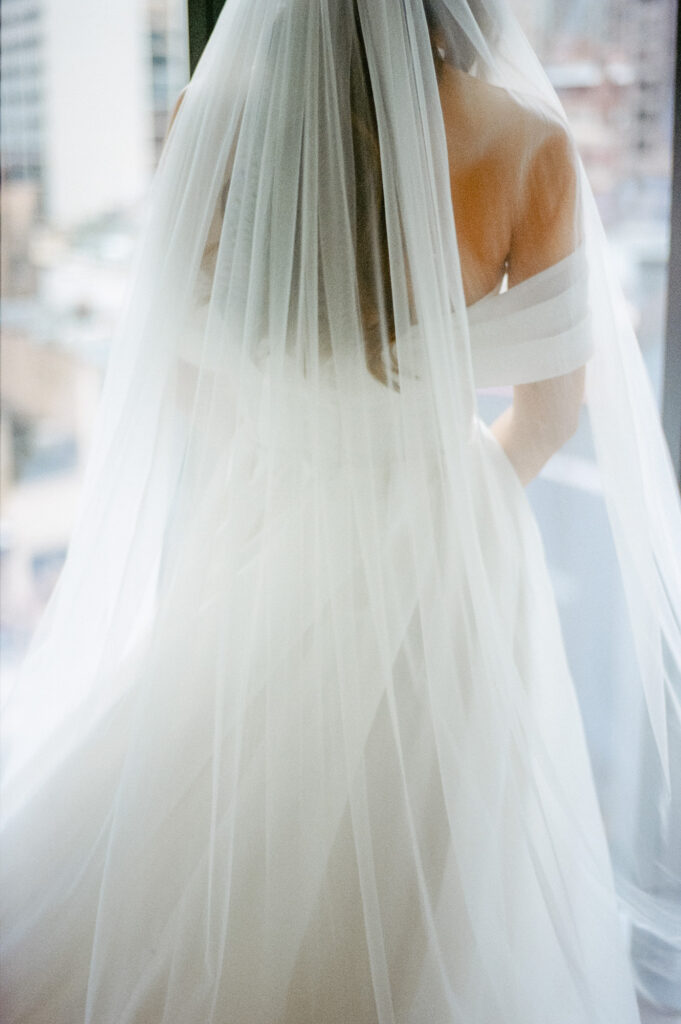
For getting ready, I typically recommend around 1.5 to 2 hours of coverage.
This allows for a mix of everything—the details, the quiet moments, the interactions with the people around you. It also gives you time to ease into the day without feeling like everything is happening all at once.
The biggest difference I see between calm mornings and chaotic ones usually comes down to buffering.
When hair and makeup ends and you’re expected to be dressed five minutes later, everything starts to feel rushed. When there’s a little extra time built in—to sit, to talk, to freshen up, to just be—it completely changes the energy of the morning.
If there’s one place in the timeline where giving yourself more time almost always pays off, it’s here.
First Look
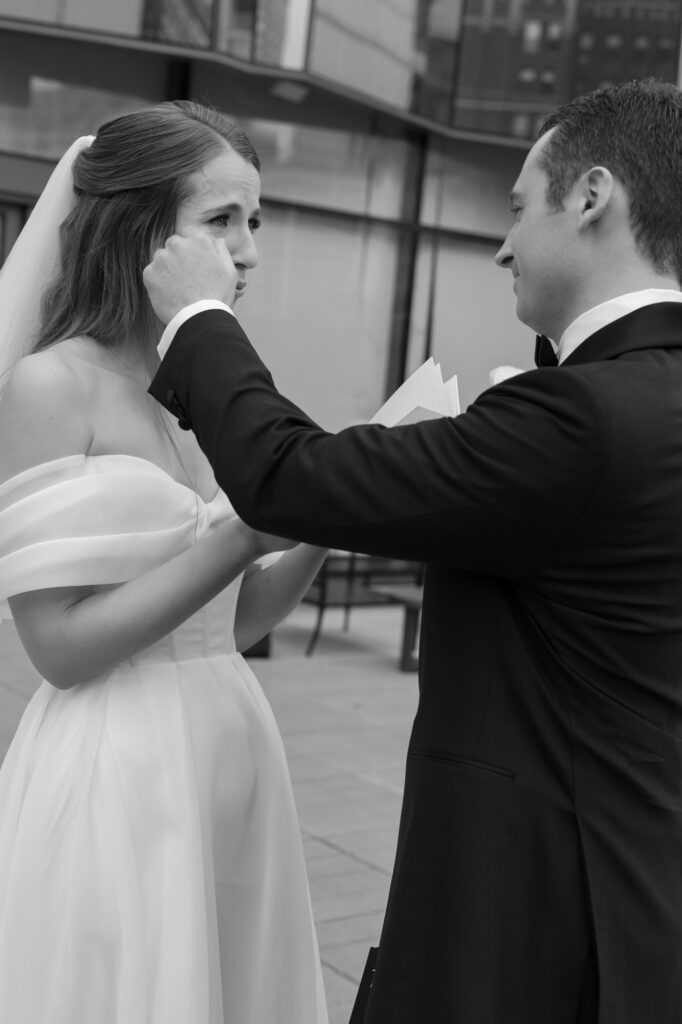
Whether or not to do a first look really depends on how your day is structured.
For weddings where everything is happening in one location, a first look can make a significant difference. It allows us to complete most (if not all) of your portraits beforehand, which means you’re not trying to fit everything into cocktail hour.
More importantly, it allows you to actually enjoy that time—to see your guests, have a drink, eat the food you selected, and be part of the experience you planned.
For more traditional timelines, especially with a church ceremony and a gap before the reception, a first look becomes less essential from a logistical standpoint. At that point, it’s more of a personal decision—whether you want that private moment together before the ceremony.
Both approaches can work beautifully. It just depends on what matters most to you and how the rest of your day is structured.
Portrait Timing
As a general guideline:
- Family photos: ~30–45 minutes
- Wedding party: ~30–60 minutes depending on locations
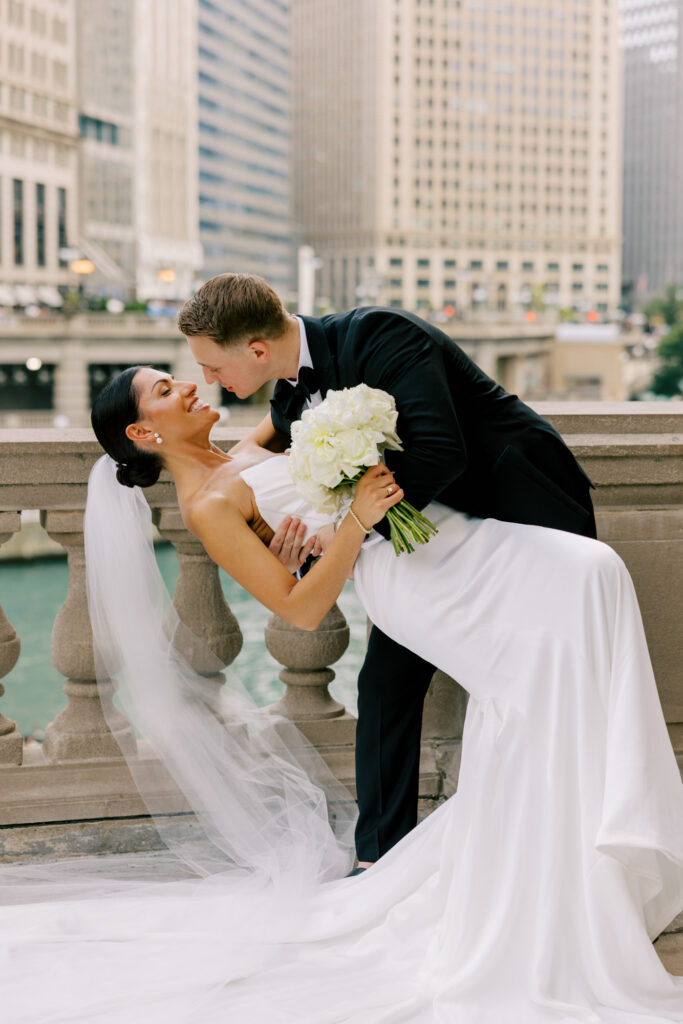
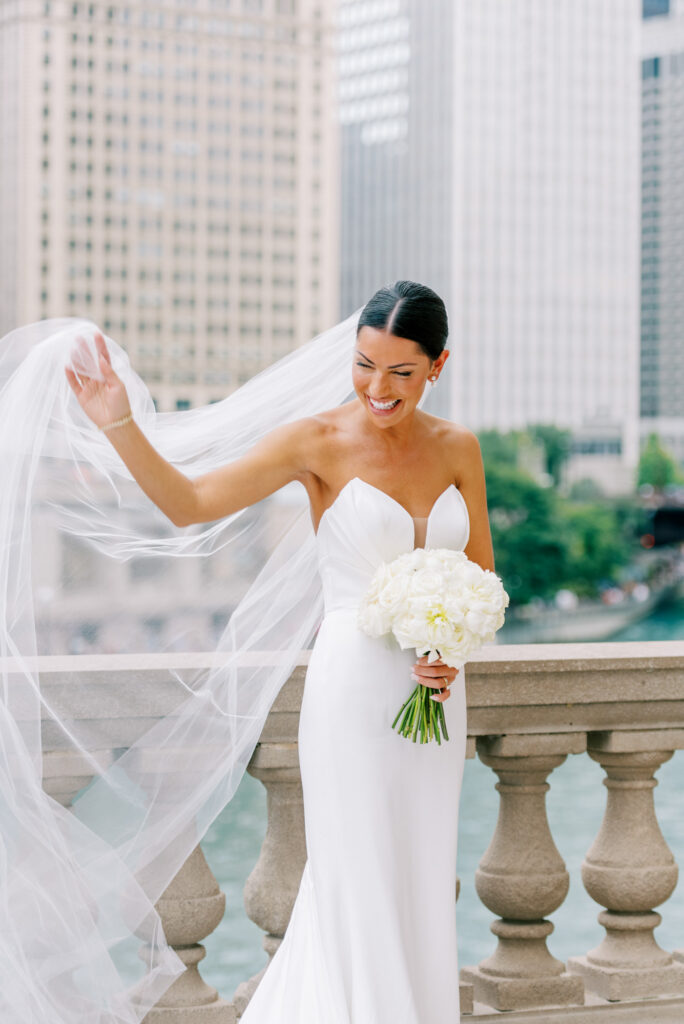
- Couple portraits: ~30 minutes (often following the first look)
If we’re completing all portraits before the ceremony, I like to have everything finished about 45–60 minutes beforehand. This gives you time to relax, freshen up, and settle in before the ceremony begins.
It also gives me time to photograph your ceremony and reception space before guests are seated, which can be an important part of the story depending on your priorities.
What Couples Worry About
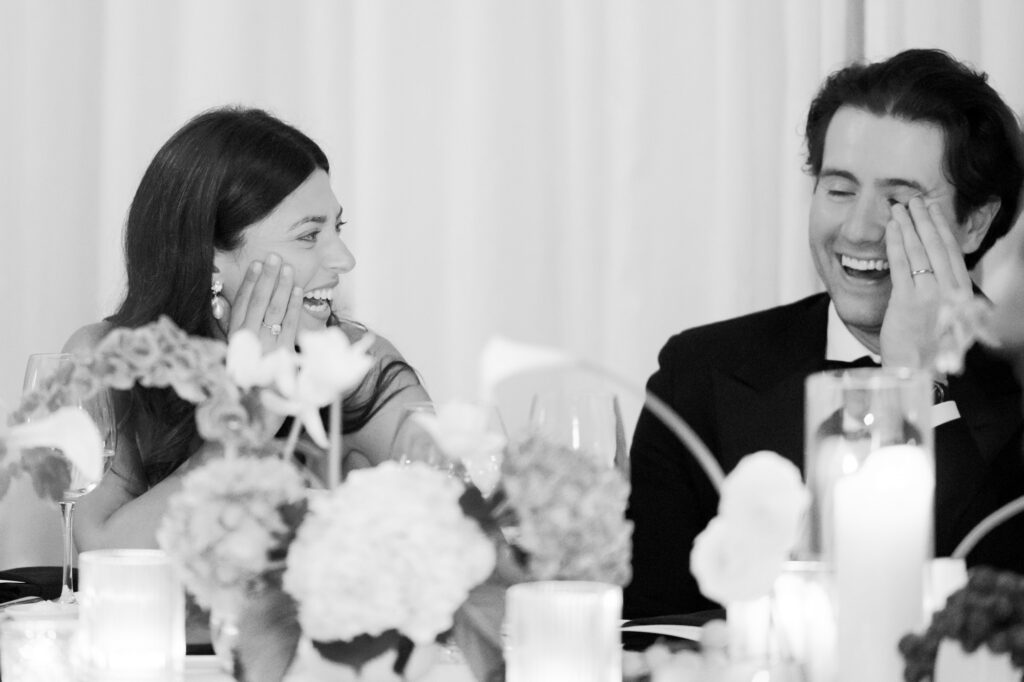
One thing I see often is couples putting a lot of pressure on themselves to look and feel perfect—especially during portraits.
The truth is, the most important thing isn’t perfection. It’s how you feel.
If you’ve chosen a photographer you trust, you feel good in what you’re wearing, and you allow yourself to be present with each other, that’s what comes through. That’s what makes the photos feel real.
What tends to matter more than people expect are the logistics.
Travel time, especially in a city like Chicago, can be unpredictable. Popular photo locations often have multiple wedding parties waiting at the same time. What seems like a quick stop can easily take longer than expected.
Sometimes the most meaningful photos come from quieter, less expected places—not the ones everyone else is lining up for.
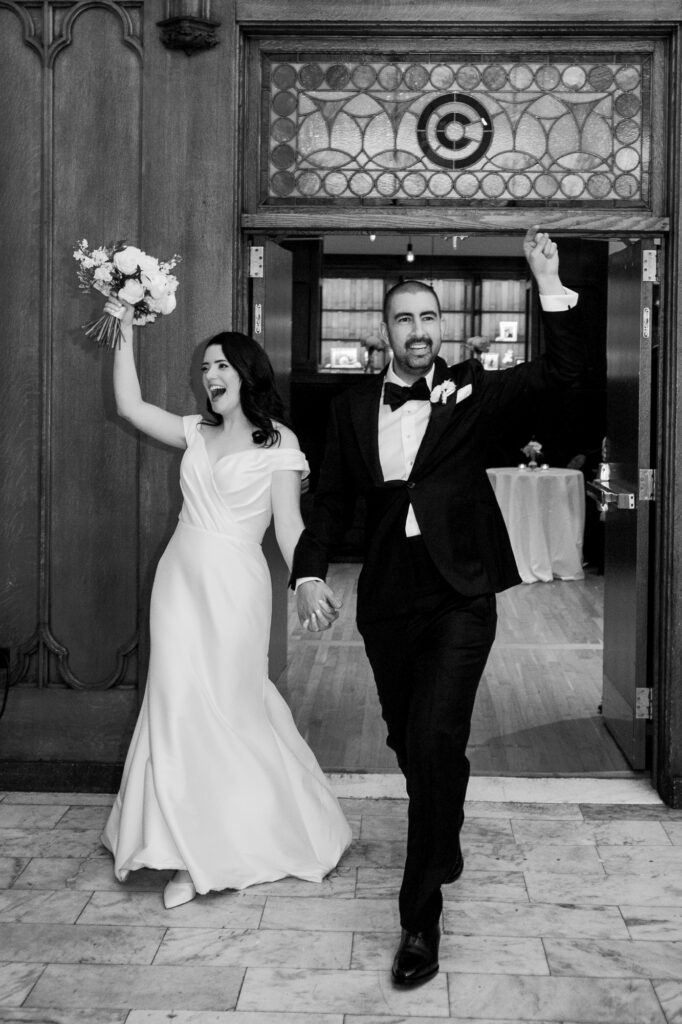
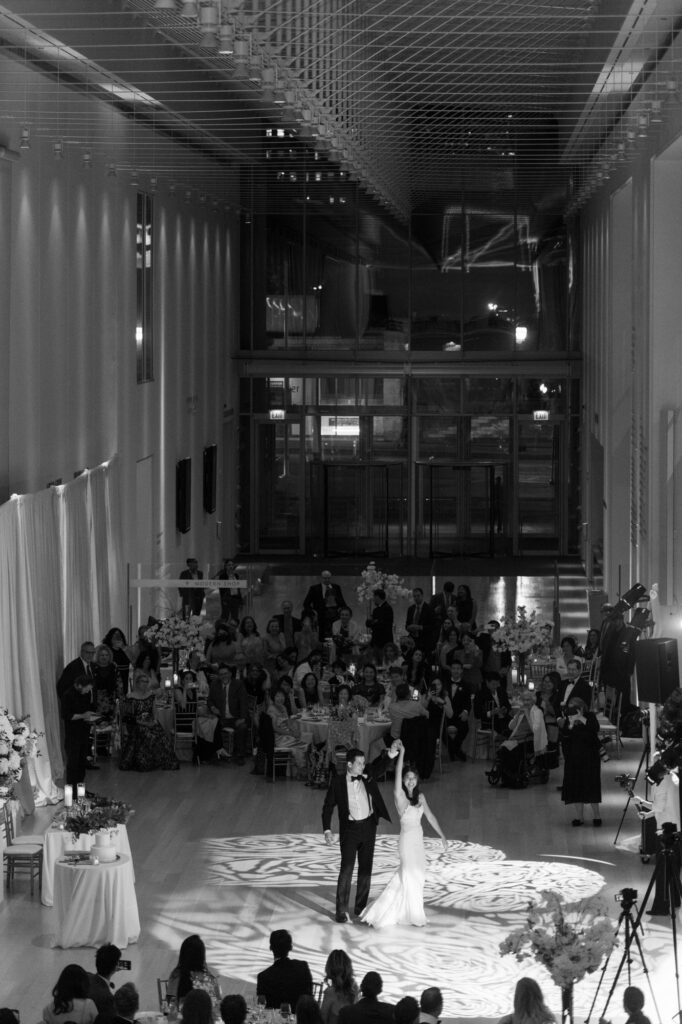
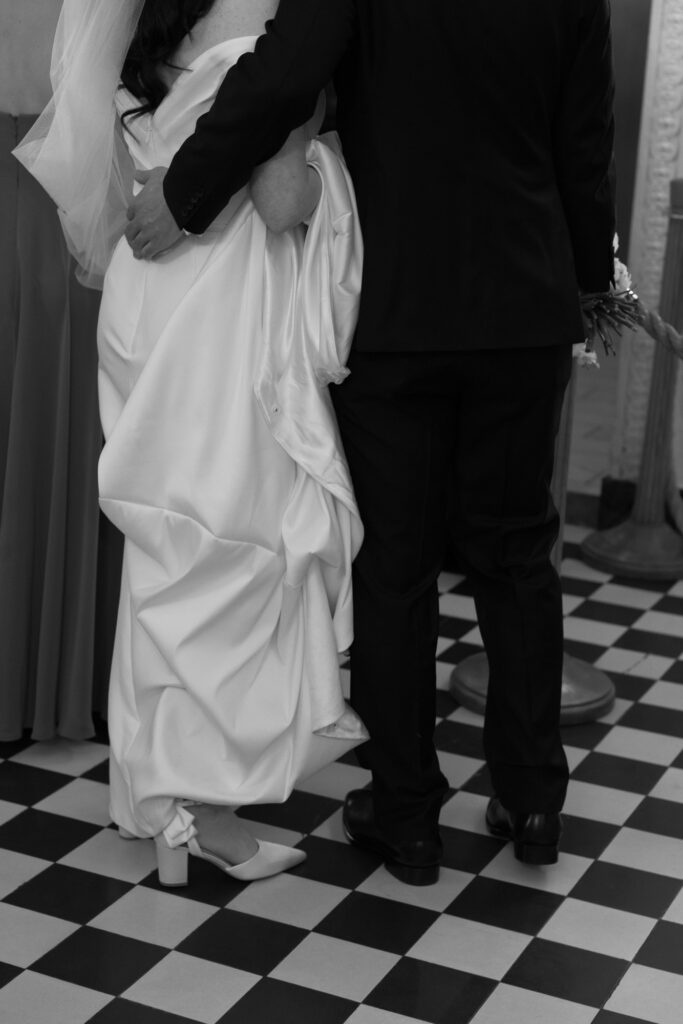
At the end of the day, a good timeline isn’t about fitting everything in.
It’s about creating a day that feels good to be part of—and allowing the space for those moments to actually happen.
When that’s in place, everything else tends to fall into place too.
And from a photography perspective, that’s when the work becomes what it’s meant to be. Not just a record of the day, but a reflection of how it truly felt.